Starting with Ubuntu 26.04 LTS, Canonical is extending its Hardware Enablement model beyond the kernel to cover QEMU, libvirt, and firmware, an acknowledgment that confidential computing hardware is evolving faster than the traditional two-year LTS cycle can absorb.
Canonical announced on July 27 a new “virtualization HWE stack” for Ubuntu 26.04 LTS, giving administrators an opt-in path to newer versions of QEMU, libvirt, and UEFI/BIOS firmware without leaving the LTS release entirely. The change targets a specific pain point: confidential computing features built on AMD SEV-SNP and Intel TDX increasingly depend on multiple layers of the virtualization stack moving in lockstep, and Ubuntu’s existing Hardware Enablement (HWE) program only ever covered the kernel.
Why The kernel-only Model Fell Short
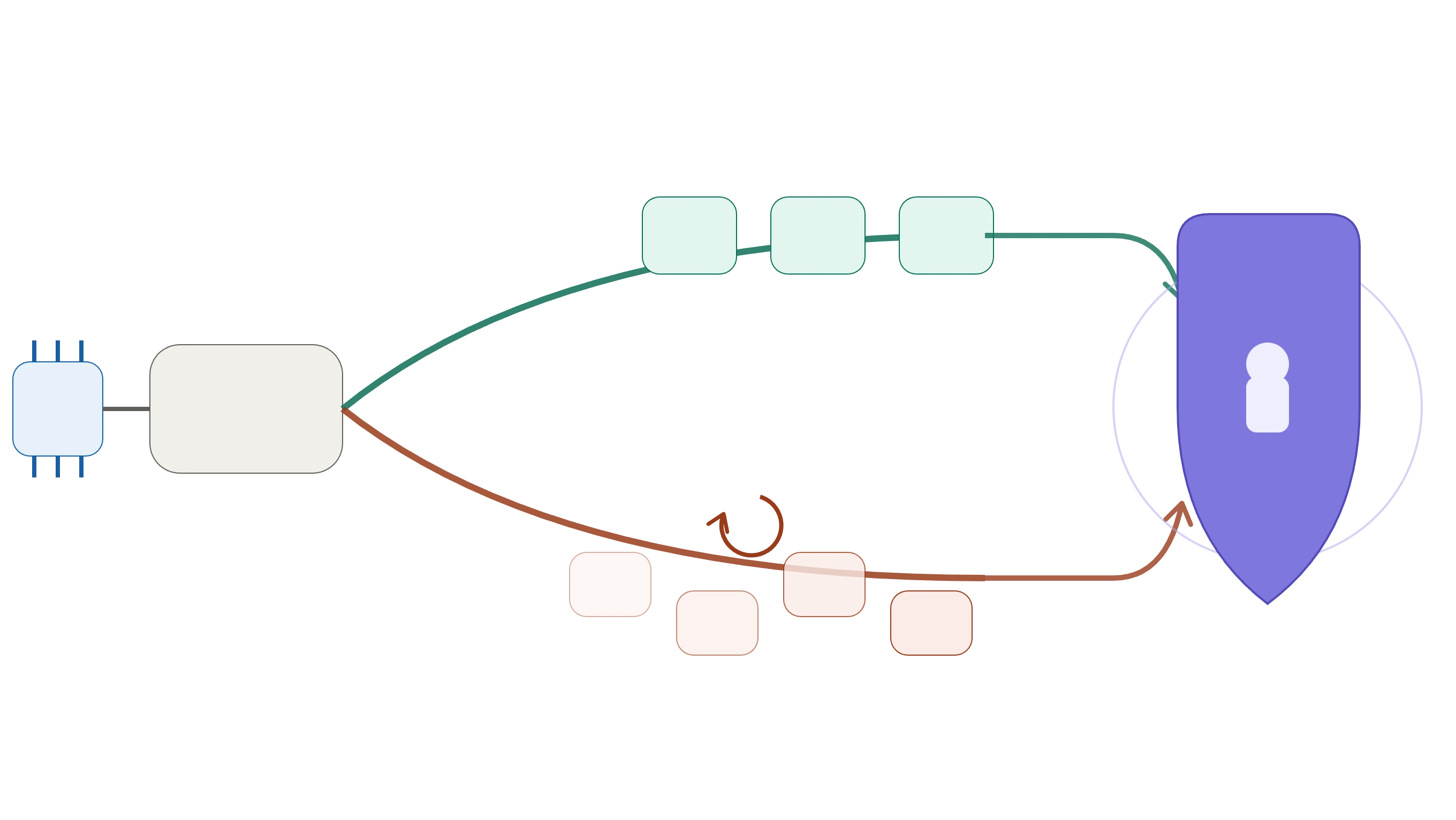
Ubuntu 26.04 LTS already ships integrated host and guest support for SEV-SNP and TDX, according to the announcement from Canonical engineer Ijlal Loutfi. But the next wave of confidential-computing capabilities, live migration for confidential VMs, trusted device assignment, accelerator support, richer attestation, and the TEE Device Interface Security Protocol (TDISP) doesn’t live in the kernel alone. Canonical’s post describes a dependency chain in which a CPU vendor can ship a capability before the kernel exposes the right interfaces, before QEMU can model it, before libvirt can let administrators configure it without hand-writing QEMU commands, and before firmware like OVMF can boot a confidential guest with it enabled.
Ubuntu’s pre-existing kernel HWE program addressed one link in that chain, things like KVM support and CPU feature enablement but left QEMU, libvirt, and firmware tied to whatever shipped with the LTS at release. If those components lagged, users were blocked from a feature even after the kernel supported it. Canonical frames this as an increasingly visible gap, since confidential computing “makes this especially visible because the feature boundary crosses several layers at once,” per the announcement.
What’s Actually Shipping
The new virtualization HWE stack consists of four packages that install alongside, rather than replace the base stack:
| Package | Purpose |
|---|---|
| qemu-hwe | Hypervisor and system emulation |
| libvirt-hwe | Virtualization management |
| edk2-hwe | UEFI firmware (including OVMF) |
| seabios-hwe | BIOS firmware compatibility |
During the first two years of a given LTS’s life, Canonical will refresh this stack every six months to track the latest upstream versions already validated in Ubuntu’s interim releases, meaning new component versions get real-world exercise in a non-LTS release before they’re backported to LTS users.
The stack is opt-in by default; existing systems keep using the standard virtualization components unless an administrator explicitly switches. Because the four packages need to move together to avoid leaving a system in an inconsistent state, Canonical is also shipping a management tool, ubuntu_virt_helper, specifically to handle the stack as a single unit rather than as separate package upgrades.
Who This is For And The Tradeoff Involved
Canonical pitches the change at organizations running regulated workloads, sovereign or private clouds, financial services infrastructure, and AI workloads that need confidential inference or accelerator support, sectors where both long-term platform stability and access to bleeding-edge isolation hardware matter simultaneously. For these users, staying on interim Ubuntu releases to get newer virtualization components was previously the only way to track fast-moving hardware, at the cost of LTS-grade support timelines.
The approach does introduce a management decision Ubuntu admins didn’t previously have to make on the virtualization layer: whether to adopt a semi-rolling set of components inside an otherwise-stable LTS. Canonical’s own framing acknowledges the packages “need to move together” and that mixing them incorrectly can leave systems inconsistent — meaning the burden shifts partly onto the ubuntu_virt_helper tooling to keep that coordination simple in practice. Since the feature only reached general availability with this announcement, how well that tooling holds up outside Canonical’s own testing remains to be seen.
The features this model is meant to eventually deliver, confidential VM live migration, trusted I/O, and TDISP support are still working their way through upstream kernel, QEMU, and firmware projects rather than shipping today. The virtualization HWE stack is the delivery mechanism Canonical has now built for when they land; its real test will be whether those capabilities actually reach LTS users on the six-month cadence Canonical has committed to, rather than slipping to the next full LTS release as they might have under the old model.